During an estate cleanout, the items worth keeping fall into three categories: legally significant documents and financial records, items with verifiable monetary value such as jewelry, collectibles, and antiques, and personal belongings with clear sentimental meaning to family members. Everything else, which is typically the majority of what fills a home, sorts into donation, recycling, or disposal. Having a clear framework before the process begins makes decisions faster, reduces emotional fatigue, and keeps the cleanout on a realistic timeline.
Key Takeaways
- Sort all estate items into three categories before removal begins: confirmed keeps, items needing evaluation, and items ready for immediate donation or disposal.
- Legal documents, financial records, and government-issued identification should be secured first, before any other sorting takes place.
- Jewelry, fine art, antique furniture, collectibles, and silver should be appraised by a credentialed professional before being donated or discarded.
- Clothing, linens, and household goods in usable condition are appropriate for donation and benefit local communities directly.
- Medications, household chemicals, and CRT electronics require separate disposal routes and should not go into standard trash or recycling.
- A professional estate cleanout service is the right call when volume, time constraints, or physical demands exceed what the family can manage.
Why Is Sorting the Most Important Step in an Estate Cleanout?
The sorting phase determines the outcome of an entire estate cleanout. Items that leave the property before family members review them may be irreplaceable, and items that stay too long because no one can decide create delays that compound quickly when legal, financial, or property timelines are involved.
According to the American Bar Association, estate administration frequently involves deadlines tied to probate proceedings, property transfer timelines, and creditor notification periods. A disorganized cleanout that runs weeks longer than necessary can create friction with those requirements and increase costs for everyone involved.
The most effective approach is to establish three physical staging areas before anything is moved: one for confirmed keepers, one for items to be evaluated by family members or an appraiser, and one for items that can leave the property immediately through donation, recycling, or disposal. Working from that structure prevents the most common estate-cleanout mistake, which is treating every decision as equally urgent and getting stuck.
What Documents and Records Should Always Be Kept?
Secure important legal and financial documents before sorting other belongings. Keep:
- Wills, trusts, and power of attorney records
- Birth, marriage, death, and military records
- IDs and Social Security cards
- Property deeds, titles, and mortgage documents
- Tax returns from the past seven years
- Bank, investment, retirement, and insurance records
- Important medical records
Old bills, receipts, warranties, and general paperwork can usually be shredded if they have no legal or financial relevance.
Which Valuables Are Worth Having Appraised Before the Cleanout?
Before donating or discarding items, consider appraising belongings that may have hidden value, including:
- Jewelry, precious metals, and gemstones
- Fine art and photography
- Antique furniture
- Silverware and serving pieces
- Coins, stamps, and collectibles
- China, crystal, and porcelain
- Rugs and musical instruments
- Vintage electronics and cameras
A professional appraisal can help identify valuable items before the cleanout. Usable items without significant value can be donated through Junk Quest’s sorting process.
What Furniture Should You Keep Versus Remove During an Estate Cleanout?
Furniture decisions during an estate cleanout involve three competing considerations: whether a family member genuinely wants and has space for the piece, whether it has monetary value worth selling or donating, and whether its condition makes keeping or donating it practical.
Furniture worth retaining or having evaluated before removal:
- Solid wood pieces with quality construction and original hardware, particularly bedroom sets, dining tables, and case pieces like secretaries and sideboards
- Upholstered pieces in clean condition with intact frames, particularly mid-century modern styles that hold collector interest
- Antique or vintage pieces with provenance documentation
Furniture that can typically be cleared without extended evaluation:
- Particle board and laminate furniture with limited resale or donation value
- Upholstered pieces with significant staining, structural damage, or pest evidence
- Bedroom furniture from a property with confirmed pest activity, which most donation organizations will not accept
- Duplicate pieces where the estate holds multiple versions of the same item
Furniture removal through Junk Quest includes on-site sorting during the estate cleanout process, helping families determine what to keep during estate cleanout and what can be donated or removed. Pieces in donatable condition are separated from those heading to disposal, so families do not need to pre-sort before the crew arrives.
How Should You Handle Clothing, Linens, and Personal Effects?
Use an estate cleanout checklist to organize clothing, linens, and personal effects during the process. Donate clean clothing and linens in good condition, and set aside vintage or designer pieces that may have resale value. Eyeglasses, hearing aids, and mobility equipment can often be donated through specialized programs. Dispose of unused medications through a local drug take-back program rather than throwing them away or donating them.
What Items Should Be Discarded Without Deliberation?
Many items can be discarded right away because they have little practical or resale value, including:
- Expired food, spices, and medications
- Broken or unusable appliances
- Worn-out clothing, socks, and undergarments
- Outdated electronics, VHS tapes, and floppy disks
- Excess kitchenware and duplicate household items
- Old magazines, catalogs, and junk mail
- Damaged craft and hobby supplies
Clearing these items first reduces clutter and makes it easier to focus on belongings worth keeping, donating, or appraising.
How Do You Handle Items Family Members Disagree About?
Disagreements are common during estate cleanouts. Before sorting, have each family member identify the items they want to keep and set those aside. If multiple people want the same item, resolve it separately through an agreed method, such as a rotation, buyout, or random selection, so the cleanout can continue without delays. For families in different locations, photographing items before sorting helps everyone review decisions remotely.
When Should You Call a Professional Estate Cleanout Service?
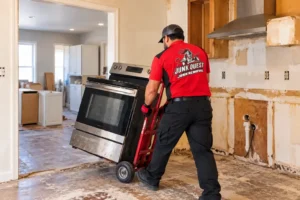
Consider a professional estate cleanout service if the property has too many items to handle, you’re facing a tight deadline, or the work is physically overwhelming. As a trusted North Dallas junk removal provider, Junk Quest offers complete estate cleanout services in Allen and throughout the region, including removal, donation, and responsible disposal in one visit. House cleanouts and real estate cleanouts can also be scheduled under the same appointment.
Ready to Move Forward With Your North Dallas Estate Cleanout?
Junk Quest handles the rest, removes furniture, appliances, household items, and other unwanted belongings in one efficient visit, with donation and responsible disposal whenever possible, leaving your property broom-clean.
Call (469) 996-1696 or request a no-obligation quote or visit their website to schedule your estate cleanout. Junk Quest serves estate cleanout customers in McKinney, estate cleanout customers in Frisco, Allen, estate cleanout customers in Plano, estate cleanout customers in Prosper, and the greater North Dallas area. Junk Quest is based at 7149 Van Tuyl Pkwy, McKinney, TX 75070.
Frequently Asked Questions
1. How do you decide what to keep versus donate during an estate cleanout?
Sort items into three groups: keep, review, and remove. Keep legal documents, sentimental items, and anything with possible value. Set aside uncertain items for review, then donate, recycle, or dispose of the rest.
2. What should you never throw away during an estate cleanout?
Never discard original legal documents, recent tax records, financial paperwork, life insurance policies, or valuables before they’ve been reviewed or appraised.
3. How long does it realistically take to sort an estate before the cleanout?
Most three-bedroom homes take two to three days to sort. Larger estates or homes with collectibles may take a week or more.
4. Is it worth hiring an estate sale company before the cleanout?
If the estate has valuable furniture or collectibles, an estate sale can recover value but usually adds one to three weeks. If time is limited, a direct cleanout is often the better option.
5. What happens to donated items during a Junk Quest estate cleanout?
Usable furniture, clothing, appliances, and household goods are donated to local North Dallas charities whenever possible. Families can also request preferred donation organizations.
6. Can Junk Quest handle an estate cleanout if the executor lives out of state?
Yes. Junk Quest coordinates remotely with the executor or a local contact and can provide photo documentation after the cleanout. Quotes and scheduling can be handled by phone or online.