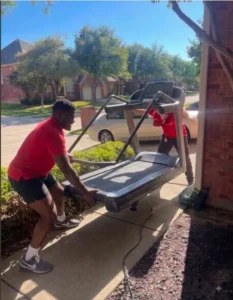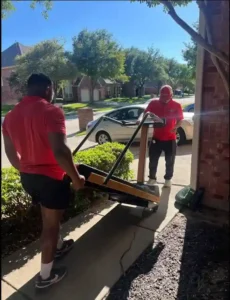
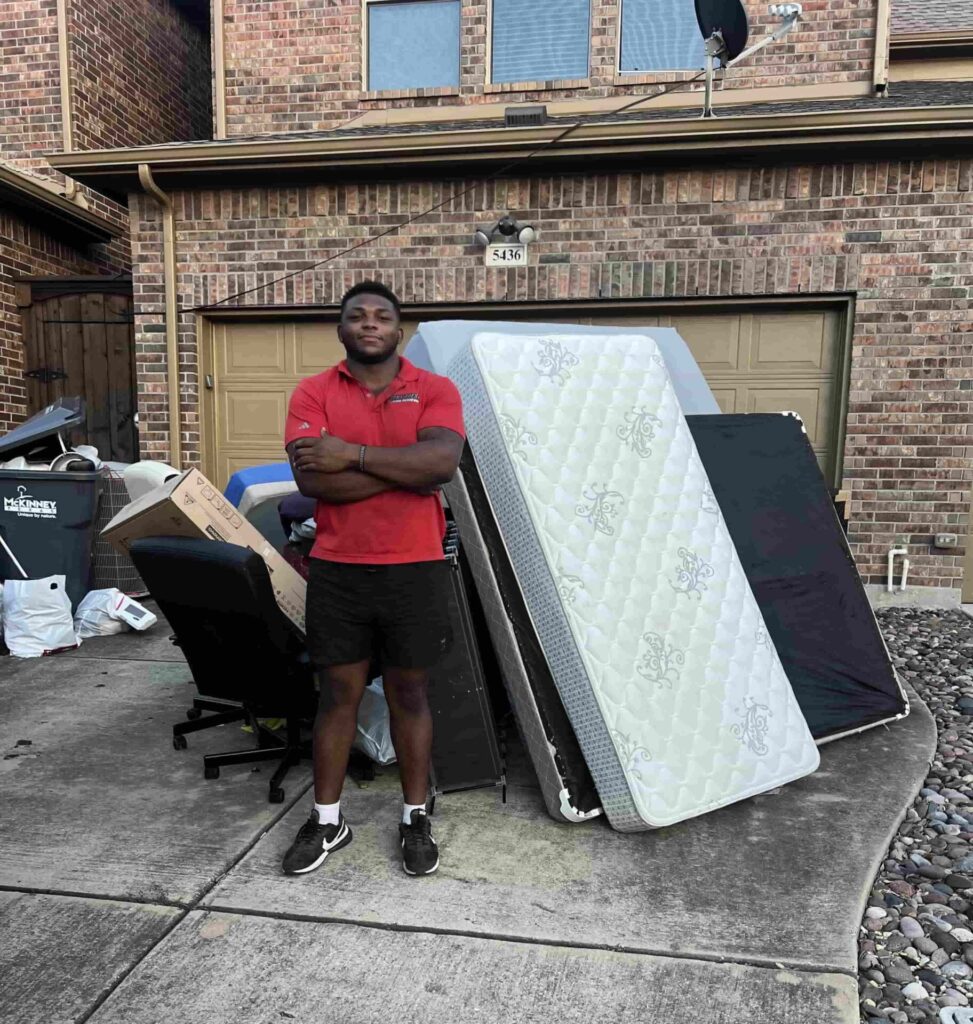
A hoarder cleanout in McKinney is a professional service that safely removes excessive clutter while respecting the emotional challenges associated with hoarding disorder. Unlike standard junk removal, it follows a structured process that prioritizes safety, organization, and compassionate support to help restore a clean, livable home.
Key Takeaways
- Hoarding disorder is a recognized mental health condition affecting approximately 2 to 6 percent of the population, as documented by the IOCDF
- A professional hoarder cleanout follows a structured six-step process from assessment through follow-up support
- Emotional sensitivity is not optional. It is a core requirement for a successful cleanout outcome
- Items removed are sorted for donation, recycling, and responsible disposal rather than defaulting to landfill
- McKinney families have access to both professional cleanout services and ongoing mental health support resources including the Peace of Mind Hoarders Support Group
- Pricing for hoarder cleanouts in McKinney typically ranges from $500 for smaller situations to $4,000+ for large or severe cases
What Is Hoarding Disorder and How Is It Recognized?
Hoarding disorder is a recognized mental health condition listed in the Diagnostic and Statistical Manual of Mental Disorders, Fifth Edition (DSM-5), published by the American Psychiatric Association. It involves a persistent difficulty discarding possessions regardless of their actual value, and a compulsive need to save items that results in dangerous levels of clutter.
According to the International OCD Foundation (IOCDF), hoarding disorder affects approximately 2 to 6 percent of the population and is associated with significant distress and functional impairment.
Key signs that hoarding disorder may be present include:
- Persistent difficulty discarding or parting with possessions
- Overwhelming clutter that blocks living areas, hallways, or exits
- Significant distress or anxiety when asked to remove items
- Impaired ability to function at home due to accumulated clutter
- Social isolation caused by shame or embarrassment about the condition
Recognizing these signs early allows families to approach the situation with empathy rather than frustration. Hoarding disorder rarely improves on its own and almost always requires outside support to address effectively.
Why Do People Develop Hoarding Behaviors?
Understanding why hoarding develops helps families respond with compassion rather than conflict. Research from the Anxiety and Depression Association of America (ADAA) identifies several common contributing factors:
- Emotional attachment: Saved items carry deep sentimental meaning or personal history
- Fear of waste or loss: Items are kept “just in case” or out of a belief they will be needed later
- Cognitive difficulty: Processing and categorizing objects is genuinely harder for people with this condition
- Sense of security: Accumulating possessions provides comfort and reduces anxiety
These emotional and cognitive factors explain why a hoarder cleanout requires patience, structure, and sensitivity. Pressure or confrontation without professional support often makes the situation worse, not better.
Why Do Hoarder Cleanouts Require Professional Help?
A hoarder cleanout is fundamentally different from standard decluttering or junk removal. Professional services are recommended for several concrete reasons.
- Safety concerns: Hoarded homes often contain structural hazards, mold, pest infestations, biohazards, or blocked emergency exits that require trained handling.
- Emotional complexity: The individual affected has a psychological relationship with the accumulated items. An untrained person attempting to remove items quickly can cause significant emotional harm and undermine future progress.
- Volume and logistics: Hoarded homes often contain years or decades of accumulation. Sorting, hauling, and disposing of this volume safely requires equipment, labor, and experience that most families do not have.
- Preventing relapse: Professional teams can help establish systems and follow-up structures that reduce the likelihood of re-accumulation.
Junk Quest provides hoarder cleanout services in McKinney with trained crews who understand both the physical demands and the emotional sensitivity the process requires.
What Does the Hoarder Cleanout Process Look Like?
Every hoarder cleanout in McKinney follows a structured, step-by-step approach. The exact timeline depends on the size of the home and the level of accumulation, but the core process remains consistent.
Step 1: Assessment
The team conducts an on-site assessment to evaluate the extent of the clutter, identify potential health and safety hazards, and discuss the homeowner’s goals. This initial walkthrough helps determine the scope of work and provides the basis for an accurate estimate.
Step 2: Planning
A customized cleanout plan is developed with clear priorities, a realistic timeline, and a sorting strategy. Homeowners or family members are involved in the planning process to ensure important belongings are identified before work begins.
Step 3: Sorting
Items are carefully separated into categories such as keep, donate, recycle, and discard. Rather than rushing the process, the crew works at a pace that respects the homeowner’s emotional needs while maintaining steady progress.
Step 4: Safe Removal
Once sorting is complete, the team removes unwanted items using proper equipment and protective gear. Whenever possible, reusable items are donated and recyclable materials are diverted from landfills through responsible disposal practices.
Step 5: Ongoing Communication
Throughout the cleanout, the crew provides regular updates and checks in with the homeowner or family members. Open communication helps reduce stress, answer questions, and ensure the project stays aligned with the agreed plan.
Step 6: Follow-Up Support
After the cleanout, some homeowners benefit from follow-up visits or referrals to local mental health professionals and community resources. Continued support can help maintain a safe living environment and reduce the likelihood of future clutter returning.
Families who are also managing a loved one’s estate alongside a hoarding situation can learn more about the overlap on how to declutter for an estate cleanout.
How Does Emotional Support Factor Into a Hoarder Cleanout?
Emotional support is not a secondary consideration in a hoarder cleanout. It is a core part of the process.
For someone with hoarding disorder, parting with possessions triggers real distress and anxiety. Research consistently shows that outcomes are better when the cleanout environment is non-judgmental, patient, and structured around small, achievable steps.
Effective emotional support during a hoarder cleanout includes:
- Compassionate, non-pressuring communication at every stage
- Active listening when the individual expresses attachment to items
- Encouraging and acknowledging small wins rather than focusing only on what remains
- Involving family members or mental health professionals where appropriate
Junk Quest crews are trained to work alongside family members and counselors, creating a stable and supportive environment that makes the process manageable rather than traumatic.
When Does a Hoarder Cleanout Overlap With an Estate Cleanout?
Hoarding situations frequently overlap with estate cleanouts, particularly when an elderly family member has been accumulating possessions for decades or when a family must manage a loved one’s home after they can no longer do so independently.
In these cases, the emotional stakes are even higher. Items that appear to have little practical value may carry significant sentimental meaning to surviving family members.
Professional estate cleanout services handle this sensitive overlap with care. Services typically include:
- Sorting and organizing inherited possessions with family input
- Coordinating donations to local charities and organizations
- Responsibly disposing of items that cannot be salvaged
- Documenting items of potential value before removal
The goal is to allow families to focus on the emotional aspects of the transition while trusting that the physical process is being handled professionally and respectfully.
What Happens to Items After a Hoarder Cleanout?
Items removed during a hoarder cleanout do not all go directly to landfill. Professional services sort materials into several categories:
- Donated: Intact furniture, clothing, household goods, and kitchenware are taken to local charities where possible
- Recycled: Metal, electronics, cardboard, and certain plastics are routed to recycling facilities
- Disposed of responsibly: Items that are damaged, unsafe, or unsalvageable are disposed of in compliance with local Collin County waste regulations
- Returned: Items the homeowner specifically requests to keep are set aside and handled with care
This approach reduces landfill waste and ensures the cleanout aligns with eco-responsible practices. For a full list of what Junk Quest accepts and how each item is handled, check our accepted items and disposal guide.
What Local Resources Are Available for Hoarding Support in McKinney?
A hoarder cleanout addresses the immediate physical environment, but long-term recovery from hoarding disorder requires ongoing emotional and mental health support. McKinney and the surrounding North Texas region have several resources available.
Peace of Mind Hoarders Support Group
A virtual peer-led support group facilitated alongside licensed professionals. Check Navigate Life Texas for current meeting times. This group provides a safe, confidential space for individuals and families affected by hoarding disorder. More information is available through Navigate Life Texas.
Mental health counseling and therapy
Licensed therapists with experience in obsessive-compulsive spectrum disorders can provide Cognitive Behavioral Therapy (CBT), which is the most evidence-based treatment approach for hoarding disorder according to the IOCDF.
Community nonprofits and social services
Local organizations in Collin County offer referrals to therapy, assistance with cleanout costs for low-income households, and connections to longer-term case management services.
Professional organizers
Some organizers specialize in hoarding situations and can provide ongoing support after the initial cleanout to help the individual develop sustainable organizational habits.
A Real Experience: What a McKinney Hoarder Cleanout Looks Like in Practice
One McKinney family contacted Junk Quest when their elderly mother’s home had become unsafe due to decades of accumulation. The family was overwhelmed and did not know where to start.
The Junk Quest team completed a full assessment, created a sorting plan with input from the family, and worked through the home over multiple sessions. After the cleanout was completed, the family asked whether certain items could be returned. Unfortunately, most belongings were in damaged or unsafe condition and had to be disposed of responsibly.
What this experience reinforced:
- Clear communication upfront about what is salvageable prevents difficult conversations later
- Separating items for recycling and donation is almost always possible even in severe cases
- Compassion and patience are not optional extras. They are requirements for a successful outcome.
This is why professional hoarder cleanout services exist. The combination of physical capability and emotional sensitivity is difficult for families to provide on their own.
How to Choose the Right Hoarder Cleanout Service in McKinney
Not all cleanout services are equipped to handle hoarding situations. When selecting a provider, families should look for:
- Verified experience with hoarding and estate situations specifically, not just general junk removal
- Transparent, upfront pricing with no hidden fees or surprise add-ons
- Non-judgmental staff trained to work respectfully with individuals experiencing hoarding disorder
- Eco-responsible disposal practices including donation and recycling wherever possible
- Follow-up support or referrals to mental health resources after the physical work is done
Useful questions to ask a prospective provider:
- What is included in your cleanout fee and what is charged extra?
- Do you coordinate with donation centers and recycling facilities?
- How do you handle sentimental or disputed items?
- Do you have experience with hoarding situations specifically?
Junk Quest serves McKinney, Frisco, Allen, Garland, and surrounding communities. Families in Frisco can access hoarder cleanout services in Frisco, and those in the Allen area can reach the hoarder cleanout team serving Allen for the same structured, compassionate approach.
What Does a Hoarder Cleanout Cost in McKinney?
Hoarder cleanout pricing depends on the size of the property, the volume and type of accumulated items, the number of sessions required, and any special handling needed for hazardous materials.
Most McKinney hoarder cleanouts fall into the following ranges:
- Small to mid-size home, moderate accumulation: $500 to $1,200
- Large home or severe hoarding situation: $1,500 to $4,000+
- Multi-session or phased cleanouts are priced per session
Junk Quest provides transparent, load-based pricing with a no-obligation estimate before any work begins, including for hoarder cleanout projects in Plano. Request a no-obligation estimate to get an accurate number for your specific situation.
Taking Back the Home: Why Hoarder Cleanout McKinney Matters
With the right professional support and local mental health resources, McKinney families can restore a safe home without additional trauma to the person affected. Long-term progress comes from combining the physical cleanup with ongoing support, counseling, and healthy habits that help prevent clutter from returning.
Get Professional Hoarder Cleanout Services in McKinney
If you or a loved one needs help reclaiming a safe, clutter-free home, Junk Quest is ready to help. Based in McKinney, TX, the licensed and insured team has completed hundreds of property cleanouts across Collin County and the greater DFW area with professionalism, discretion, and compassion.
Junk Quest is based at 7149 Van Tuyl Pkwy, McKinney, TX 75070. Call (469) 996-1696, or request your no-obligation estimate online to schedule your hoarder cleanout.
Frequently Asked Questions
1. What is a hoarder cleanout and how is it different from regular junk removal?
A hoarder cleanout is a structured, multi-session process that involves sorting, safely removing, and responsibly disposing of large volumes of accumulated items from a home affected by hoarding disorder. Unlike regular junk removal, it requires trained staff who understand the emotional sensitivity of the situation, safety protocols for hazardous conditions, and a pace that respects the homeowner’s psychological needs.
2. How long does a hoarder cleanout in McKinney take?
The timeline depends on the size of the property and the severity of the accumulation. A modest single-room situation may be resolved in one day, while a full home with years of accumulation typically requires multiple sessions spread over several days. Junk Quest provides a timeline estimate during the initial assessment.
3. Can family members be present during the cleanout?
Yes, and in many cases family involvement is encouraged. Family members can provide valuable input on which items to keep or donate and can offer emotional support to the individual affected. However, if family presence creates conflict or distress, having the professional team manage the process independently is often the better approach.
4. What happens to donated or recyclable items from a hoarder cleanout?
Usable items such as furniture, clothing, kitchenware, and intact household goods are taken to local donation centers wherever possible. Recyclable materials including metals, electronics, and cardboard are routed to appropriate recycling facilities. Only items that are damaged, unsafe, or otherwise unsalvageable are disposed of in a landfill.
5. Is professional help always necessary for a hoarding situation?
For moderate to severe hoarding situations, professional help is strongly recommended. The safety risks, emotional complexity, and sheer volume of material make it very difficult for families to manage alone without causing additional distress or creating conflict. For very minor clutter situations that do not involve hoarding disorder, standard property cleanout services may be sufficient.
6. Does Junk Quest serve areas outside McKinney for hoarder cleanouts?
Yes. Junk Quest serves McKinney, Frisco, Garland, Allen, Plano, Prosper, and the greater DFW area. Families in other parts of North Texas can contact the team directly to confirm coverage for their location.